Journal of Jewish Education (2026) 1: 79-118
Portrayals of Africa and Africans in Stories with Jewish Characters: Reflections from Black and Jewish Educators
Meir Muller, Gloria Boutte, Michal Avera Samuel, and Shahanna W McKinney-Baldon
In a world marked by cultural and linguistic diversity, the stories we share with children carry immense power. Picture books are more than tools for literacy; they are mirrors that reflect children’s lives, windows into the experiences of others, and sliding glass doors that open onto new possibilities (Bishop, 1990; Möller, 2016). When early childhood classrooms are filled with literature that affirms a broad spectrum of identities and cultures, they become transformative spaces for learning, critical consciousness, and justice (Braden & Rodriguez, 2016).
Research highlights a strong correlation between diverse representations in children’s literature and numerous positive outcomes for children (Wynter-Hoyte et al., 2022). For example, exposure to diverse cultural perspectives enhances children’s cognitive abilities, critical thinking, problem-solving, and worldviews (Derman-Sparks & Edwards, 2010; Tomé‐Fernández et al., 2019). Picture books in early childhood classrooms also play a significant role in identity formation (Morgan & Kelly-Ware, 2016) and in the facilitation of understanding between different groups (Hayden & Prince, 2023; Koss, 2015). Culturally diverse books serve as tools for promoting advocacy against inequity (Boutte & Muller, 2018; McNair, 2016; Osorio, 2018).
Jewish stories are one area of culturally diverse books that would benefit from greater visibility (Rosenfeld, 2021). At the same time, Africa, despite being the cradle of civilization and home to nearly 20% of the world’s population, is often omitted or narrowly represented in P–5 classrooms (Boutte et al., 2017; Jackson et al., 2021). This study brings these gaps into conversation by examining picture books that depict African Jewish communities. Our analysis employs a critical lens to examine stereotypes, biases, and cultural inaccuracies in these texts (Johnson et al., 2017).
We begin with a review of the literature on multicultural representation in picture books, followed by a discussion of Jewish early childhood literature and the notable absence of African Jewish representation. We outline the methodology for the study and present findings regarding our questions that focus on four key areas: Cultural representation, migration and Jewish belonging, Africa as homeland versus exile and the role of authorship. The article concludes with implications for classroom teachers, administrators, and Jewish book publishers.
Literature Review
This review situates the study within scholarship on multicultural representation in children’s picture books, with particular attention to Jewish early childhood literature and portrayals of African and African Jewish communities. It begins with broader trends in multicultural literature before narrowing to scholarship that highlights persistent gaps in Jewish-themed picture books, especially the marginalization of African Jewish narratives.
Multicultural Representation in Picture Books
Before tracing historical trends, we situate this study within scholarship on culturally responsive and culturally sustaining children’s literature (Paris, 2012). Culturally sustaining pedagogy emphasizes not only the inclusion of diverse cultural identities, but the ongoing support of communities’ cultural practices, languages, and ways of knowing within educational texts and contexts (Paris & Alim, 2017). This scholarship foregrounds questions of power, authenticity, and cultural specificity in children’s picture books, particularly for communities that have been historically marginalized within dominant narratives (Johnson et al., 2017). While Jewish children’s publishing operates within its own cultural and institutional ecosystem, it is not insulated from broader publishing norms, visual conventions, or narrative tropes present in the secular children’s literature market. As such, culturally sustaining and critical multicultural frameworks offer essential tools for examining Jewish-themed picture books, even as important distinctions remain.
The evolution of multicultural representation in children’s literature reflects broader societal shifts and academic discourse (Arizpe, 2021). In the 1970s, scholars began addressing the underrepresentation of minoritized characters and the prevalence of stereotypes, following Nancy Larrick's influential study The All-White World of Children’s Books (Larrick, 1965). Agreeing with Larrick’s analyses, Bowman (1979) advocated for diversity in children’s literature and emphasized the need for authentic portrayals of minoritized characters.
Rudine Sims Bishop’s "windows and mirrors" framework, introduced in 1990, shifted the conversation towards literature that both reflects children’s experiences (mirrors) and offers insights into others’ lives (windows) (Bishop, 1990). During this period, the focus moved beyond visibility to the depth and quality of representation. Scholars like Sonia Nieto (1993) advocated for cultural specificity and contextualization, while Jewish characters also began to gain visibility in children’s literature (Rahn, 2003).
In the early 2000s, research increasingly emphasized how the portrayal of diverse characters influences children's social development, calling for nuanced and complex depictions (Wiseman & Heron, 2005). Scholarship on culturally relevant pedagogy reinforced the importance of ensuring educational practices, including literature, accurately reflect and support culturally minoritized students' experiences (Wynter-Hoyte et al., 2019).
The Cooperative Children’s Book Center (CCBC) continues to advance discussions on diversity through its categorization of representation, publishing annual reports since 1994. Its 2022 survey revealed that books featuring white protagonists accounted for 28%, while those with Black characters made up 16%, and books with Jewish characters represented just 2.26% (CCBC, personal communication, March 14, 2023). Despite efforts to increase diversity, significant disparities persist.
Leket-Mor and Isaac (2020) highlight a persistent thematic narrowness in Jewish children’s literature, which tends to focus on holidays, the Holocaust, or grandparents. This limited scope reflects broader trends in children’s publishing, where African cultures and characters remain underrepresented and, when included, are often written by non-African authors (Mbanefo-Ogene et al., 2023). Notably, more animals (19%) appear as protagonists in picture books than Black (13%) and Jewish (2.26%) characters combined (at the time of writing, the CCBC diversity statistics page, which was publicly available, has been removed). Scholars have argued that these animal characters often serve as coded stand-ins for whiteness, portrayed with standardized English, nuclear families, and Eurocentric cultural norms (Husband, 2016; Miller, 2015). These patterns perpetuate dominant narratives while marginalizing the lived experiences of Black, African, and African Jewish children. In response, recent scholarship has embraced intersectional and global perspectives, examining how overlapping identity factors shape multicultural literature and offering more nuanced, inclusive frameworks for representation (Arizpe, 2021; Baines et al., 2019; Ladson-Billings, 2021).
Jewish Early Childhood Literature and the Absence of African Jewish Representation
Jewish children’s literature in the United States has evolved from early instructional works such as Samuel Cooper’s Think and Thank (1890), which imparted Jewish moral values to children, to contemporary initiatives like PJ Library, which distributes Jewish-themed books to families globally (Gross, 2017). Yet, the intersection of Jewish and African identities remains largely unexplored. Jewish picture books seldom depict Jewish communities in African contexts (Muller & Braden, 2024).
Africa and African Jews in Jewish Education
The United Nations’ declaration of the International Decade for People of African Descent (2015-2024) acknowledged persistent, endemic injustices faced by African descendant people globally (United Nations, 2013). In recognition of the continued significance of these issues, the United Nations has launched a second International Decade for People of African Descent, focused on addressing systemic racism, reparatory justice, and sustainable development. African Jewish communities, with their diverse histories and cultures, are a part of this narrative. Jewish populations in three of the five regions of Africa (south, north, and east, respectively) are: 1) South Africa (52,000); 2) Morocco (2,100); and 3) Ethiopia (estimated at 12,000) (Weiss, 2023; World Population Review, 2024). Guided by Dougé and Jindal’s (2020) emphasis on the importance of addressing racial biases early, the inclusion of African Jewish perspectives in educational materials can add depth to children’s understanding of both cultural groups.
Methodology
Incorporating the stories of global Jewish and African Diasporic communities into early childhood book collections can enrich children’s understanding of the global Jewish and African diaspora. To explore this further, we examined 19 books in terms of their storylines, illustrations, characters, and language. The findings of this study are instructive for early childhood educators, curriculum developers, and publishers.
We examined two research questions.
- How are African communities and individuals depicted in Jewish-themed picture books?
- What can we learn about Jewish communities in Africa from Jewish-themed picture books?
For clarity, we use the term “African Jewish communities” to refer to Jewish groups living in African contexts. When referring to broader African societies, we use “non-Jewish Africans” as a respectful and descriptive term, without intending to “other” or marginalize.
Researchers’ Positionality
Recognizing that our cultural experiences influence our research analysis, we provide an overview of who we are. The four researchers represent diverse racial/ethnic/cultural backgrounds: 1) African American; 2) Ethiopian and Jewish; 3) African American and Jewish; and 4) Jewish American. This collaboration brings intersectional perspectives to the research (see Table 1).
Table 1
Gender and Ethnic Profiles of Researchers
Name | Gender | Jewish | Ethnicity/Nationality | Occupation | State |
Shahanna | Female | Yes | African American | Researcher, Scholar | Wisconsin |
Michal | Female | Yes | Ethiopian | Researcher, Scholar | Wisconsin |
Gloria | Female | No | African American | Professor | South Carolina |
Meir | Male | Yes | Jewish American | Professor | South Carolina |
Shahanna’s Positionality
I am an African American Jewish educator and advocate whose work is grounded in representation and educational equity. With an educational and professional background that reflects the intersection of my African American and Ashkenazi heritages, I bring a deeply personal and multifaceted lens to my scholarship and leadership. My lived experience as a Jew of Color from a large, multiracial Wisconsin family informs my decades-long commitment to diversity, equity, and belonging in both public education and Jewish communal life.
I am a product of Orthodox Jewish K-12 schools and a second-generation graduate of the University of Wisconsin–Madison School of Education after both of my parents; I hold a master’s degree in social justice education from the University of Massachusetts–Amherst, and am currently pursuing a PhD in Philosophy at The Global Center for Advanced Studies in Dublin, Ireland. I serve as Co-Director of the Clinical Program at the Wisconsin Center for Education Research (WCER) at The University of Wisconsin-Madison, an evaluation subject matter expert with WCER’s Wisconsin Evaluation Collaborative (WEC), and Co-Principal Investigator for several WEC projects, including the Shalom Curriculum Project. I am the Founding Executive Director of Edot, the Midwest Regional Jewish Diversity and Racial Justice Collaborative, and Co-Founder of Tiyuv, a Jews of Color-led, culturally responsive evaluation hub. My leadership extends to the international Jewish landscape, where I serve on the Board of Governors of Reconstructing Judaism and chair its Jews of Color and Allies Advisory. In addition to my education and advocacy work, I am an artist. I currently lead a research and arts project exploring the life of Madame Goldye Steiner, the African American woman cantor of the 1920s and 1930s.
I approach my work through a community-centered, justice-oriented lens. My research is rooted in culturally responsive methodologies that value lived experience as a vital form of knowledge and source for increased validity for research tools and methods. I draw on participatory and community-engaged practices, ensuring that those most impacted by systemic inequities are actively involved in research and evaluation. My work on Black/Jewish relations has consistently advocated for the inclusion of voices and leadership of those who are Black and Jewish.
My scholarship and advocacy are united by a belief that transformational change is possible when diverse voices and leadership are centered. I strive to build and participate in diverse coalitions that convene people with multiple perspectives and backgrounds to address complex problems, expand narratives, and advocate for better systems to serve all in our communities.
Michal’s Positionality
As an Ethiopian Israeli Jewish woman, educator, and scholar, I bring my own experiences and a strong passion for justice and educational fairness to this research. My journey began in a small Jewish village in Ethiopia then, through Sudan, I eventually resettled in Israel during Operation Moses. In Ethiopia, we were Black within a Black community, but we represented a Jewish minority. When we moved to Israel, we became Jews among Jews, yet we were still treated as a minority due to our skin color. Adapting to this unfamiliar environment taught me how to thrive in a mostly white space while ensuring our narratives are recognized and valued. I have always understood the importance of storytelling; Black children need to see themselves in the larger Jewish narrative. These experiences have deeply influenced how I see the connections between race, religion, migration, and resilience. They also push me to advocate for the stories of Jews of Color, especially in early childhood education.
With over 20 years of experience leading community and educational programs for both the Ethiopian Israeli and American Jewish communities, I aim to show the broader diversity in Jewish stories. I have worked on initiatives in Israel that supported the integration of Ethiopian Israelis and Russian immigrants while helping them maintain their unique cultures. I have also been involved with the Government of Israel's Round Table Panel on Social Issues, collaborating with leaders across many sectors. In the U.S., I collaborate with Jewish organizations to create inclusive curricula, offer training for educators, and advise on ways to represent Jewish diversity in classrooms and books. My work connects different communities and always focuses on ensuring everyone's story is heard. Being part of this research project is not just academic for me; it is personal.
As an Ethiopian Jew, I have lived many of the stories we are exploring, stories about migration, cultural connections, and the fight against being overlooked by the broader society. My understanding of Ethiopian Jewish customs and languages and of African culture helps me identify genuine representation or oversimplified views in the literature we discuss. I believe in working together to uplift African and Jewish voices while acknowledging the complexities of identity. This project involves a diverse team of researchers, and I am proud to contribute. Through education, storytelling, and leadership, we can reshape the Jewish narrative to make it inclusive and reflective of all our experiences.
Gloria’s Positionality
I am an Africanist, which I translate to mean that I love all things Africa - good, bad, and indifferent. As an early childhood professor with nearly four decades in the academy, I bring a background in critical literacy and African Diaspora literacy (being literate about African descendant people and cultures). I have published, taught, and presented widely on the topic. I have visited, taught, presented, and/or engaged in research in all five regions of Africa (eight countries). I taught in Nigeria for eight months as a Fulbright Scholar at the University of Uyo in Nigeria. My husband and I led study groups to Africa, staying for two to four weeks, examining connections between African and African American cultures.
Aware that the histories and cultures of Africa and African people are often presented in inaccurate, distorted, misrepresented, and stereotypical ways (if presented at all), I approach children’s literature about Africa with a critical eye regarding how it is presented. I examine storylines, illustrations, as well as implicit and explicit messages. For this project, it was important for me to do this type of oppositional read (intentionally reading against the author’s intended message) (Apple, 1990) and then do a more negotiated read to see what I might have missed when reading the book oppositionally.
Even though we started with a coding framework, I also examined the underlying ideologies (Apol, 1998) of the books and reflected on what may be missing and how the book may benefit from being in conversation with other texts for a more rounded perspective. This is important to me because I understand that no one book can do everything. During the reading and discussion of the books, I opened my mind to hearing and understanding the perspectives of the rest of the research team.
As the only person who was not Jewish, I welcomed learning about Jewish culture, words, celebrations, and so forth. At the same time, I wanted to be sure that African culture was not marginalized, albeit intersectional with Jewish culture. I considered power dynamics in terms of who is telling the story and why it is being told.
Meir’s Positionality
As a Jewish American educator and professor, my work is rooted in a commitment to justice and inclusion within both Jewish and broader educational spaces. My scholarship focuses on early childhood education, with a particular emphasis on pro-Blackness, pro-Jewishness, and countering antisemitism. I come to this project not as an expert on African Jewish communities, but as someone deeply invested in expanding the stories we tell children, stories that reflect the fullness of Jewish life and human dignity.
Much of Jewish children’s literature in the U.S. has centered Ashkenazi narratives, often overlooking the full range of Jewish identities and traditions found across the globe. This absence reinforces a narrow lens of Jewish identity. I see this study as an opportunity to interrupt that pattern. Through collaboration with colleagues who bring lived experience and cultural expertise, I aim to contribute to a more expansive understanding of Jewish identity, one that honors the depth, diversity, and complexity of our people.
This project also reflects my belief that representation is not just about visibility, but about dignity and nuance. My role in this research has been shaped by a posture of listening, learning, and critical reflection, recognizing that authentic storytelling emerges through shared inquiry and relationships across difference.
Picture Books Used in the Study
Eighteen of the nineteen picture books analyzed in this study were identified through a comprehensive review conducted by Muller and Braden (2024), which examined 188 books featuring Black, Jewish, and Black Jewish characters published between 1985 and 2024. That inventory was compiled through outreach to Jewish publishing houses, consultation with university reference librarians, reviews of social justice-oriented booklists, and expert recommendations. One additional book, published after the completion of the initial study, was also included in the present analysis as it fit the study’s criteria.
From the Muller and Braden (2024) dataset, we examined the subset of 18 books that depict Africa or African communities within Jewish-themed narratives. Books were included using the original study’s selection criteria, which required that texts: (a) be published by a trade publisher (excluding self-published works); (b) be written in English and published in the United States; (c) feature explicitly identified Black and Jewish or Black Jewish characters; and (d) consist of original work unrelated to Bible stories or commercial marketing.
For the purposes of this study, explicitly identified Jewish refers to characters whose Jewish identity was clearly named in the text or conveyed through unambiguous engagement in Jewish cultural, religious, or communal practices attributed to the character or family, rather than inferred from illustration style, author background, or reader assumption. Both Jewish and non-Jewish publishers were represented in the original corpus; publisher identity was recorded descriptively but was not used as an inclusion or exclusion criterion.
A description of the books appears in Table 2, and selected book covers are included in Appendix A for illustrative purposes. We analyzed how these books use illustrations, characters, and language to convey cultural themes.
Table 2
Books Used in the Study
Book Citation | Brief Annotation |
- Ben Hagai, M., & Goshen, I. (2024). Workitu’s Passover.
| An Ethiopian child learns a Passover tradition involving clay dishes. |
- Bernhard, D. Y. (2011). Around the world in one Shabbat.
| A global look at diverse Shabbat traditions, including Ethiopia. |
- Gilani-Williams, F., & Hodder, B. (2023). The promise.
| Jewish and Muslim boys share a garden in Morocco before WWII. |
- Heiligman, D. (2016). Celebrate Hanukkah.
| Hanukkah traditions from Jewish communities around the world. |
- Kendall, J. P. (1987). My name is Rachamim.
| An Ethiopian Jewish child migrates to Israel, facing new challenges. |
- Kohuth, J. (2018). Who's got the etrog?
| Animals celebrate Sukkot in a Ugandan garden. |
- Kurtz, J., & Ready Set Go Books. (2020). A welcome in Axum.
| Bilingual book on the historic Ethiopian city of Axum. |
- Kushner, A. (1986). Falasha no more.
| An Ethiopian Jewish child adjusts to life in Israel. |
- Lehman-Wilzig, T. (2007). Passover around the world.
| Passover traditions from Jewish communities around the world including Ethiopia. |
- MacLeod, J. T. (2021). Pumpkin pie for Sigd.
| Two friends blend Thanksgiving and the Ethiopian Sigd holiday traditions. |
- Nambi, S. (2022). The very best sukkah.
| A Ugandan community builds a sukkah and helps a neighbor. |
- Olitzky, K., & Stock Spilker, R. (2023). Miryam's dance.
| A Ugandan child celebrates Shabbat with music and dance. |
- Pinkney, B. (1996). When I left my village.
| An Ethiopian family's perilous journey to Israel. |
- Rouss, S., & Naim, A. (2016). Yosef's dream.
| A child dreams of immigrating to Israel during Operation Solomon. |
- Schrier, J. (1998). On the wings of eagles.
| A child recalls Israel's airlift rescue of Ethiopian Jews. |
- Schur, M. R. (1994). Day of delight.
| An Ethiopian child prepares for Shabbat. |
- Simpson, L. (2011). Yuvi's candy tree.
| A young child escapes Ethiopia during Operation Moses. |
- Sobol, R. (2016). Growing peace.
| Ugandan Jews, Christians, and Muslims form a coffee cooperative. |
- Verzov, E., & Oirechman, C. (2018). Yossi of Nigeria.
| A child of Chabad emissaries shares his experiences living in Nigeria. |
Process for Reviewing Books
Our analysis of Africa and African Jewish representation in picture books began with an independent review of each book, followed by collaborative Zoom discussions in which we examined two to four books per session. These discussions allowed us to compare interpretations, identify emerging themes, and refine our analytical approach. To structure our analysis, we adopted Bradford’s (2007) critical content analysis and Botelho and Rudman’s (2009) critical multicultural analysis. Bradford’s (2007) approach extends beyond descriptive categorization and instead interrogates how children’s texts construct ideology, power, and cultural hierarchy. Bradford argues that children’s literature participates in the normalization of certain identities while rendering others marginal or “exotic.” In applying Bradford’s framework, we attended not only to what was represented, but to how narrative voice, focalization, and visual positioning structured readers’ sympathies and assumptions. This included examining whose perspective anchored the story, which characters were granted interiority, and how African settings were linguistically and visually framed in relation to Jewish identity and Western normativity. Bradford’s framework provided a systematic method for categorizing content, helping us identify patterns in representation, while Botelho and Rudman’s approach facilitated a deeper examination of how cultural assumptions, stereotypes, and power dynamics shape narratives. Together, these frameworks enabled us to assess how stories reflect or distort power relations, sociocultural contexts, and the construction of African and Jewish identities.
In addition to these frameworks, we employed close reading techniques to analyze both the overt and implicit messages within the texts. This approach allowed us to scrutinize illustrations, language choices, and embedded cultural narratives, evaluating the intersection of African and Jewish cultures within broader social and historical contexts. Attention was given to the portrayal of African Jewish communities and their cultural symbols, ensuring that our analysis challenged monolithic representations and highlighted the complexity and diversity of these communities.
Given the situated and culturally nuanced nature of the texts, our collaborative discussions also attended to questions of cultural appreciation, appropriation, and representation. Team members occasionally approached texts from differing interpretive perspectives informed by their positionalities; these moments were treated as analytic resources rather than obstacles. Coherence was achieved by returning to shared coding frameworks and close textual and visual evidence, ensuring that interpretations remained grounded in the data rather than individual standpoint.
To illustrate this process, spreadsheet coding tracked how specific textual and visual features aligned with analytic constructs. For example, in Miryam’s Dance, entries noting the use of Luganda language, Abayudaya religious symbols, and localized Shabbat practices were coded under cultural specificity and insider representation, drawing from Botelho and Rudman’s emphasis on voice and authenticity. In contrast, spreadsheet notes for Yossi of Nigeria highlighted repeated references to disease, disorder, and cultural deficiency, which were coded as outsider narrative framing and deficit representation, consistent with Bradford’s attention to ideological positioning. These codes were then examined across the dataset to identify recurring patterns that informed the thematic analysis.
Coding Framework
For the initial analysis, we employed deductive content analysis, which allowed us to systematically explore both the visual and textual elements of the selected picture books. This process involved identifying recurring patterns, such as depictions of Africa and African Jewish people, and organizing the data into meaningful categories, including narrative framing of Africa as homeland or as a site of exile, character agency, cultural specificity of rituals and language, and authorship perspective. For example, books that embedded localized language, ritual practice, and community voice were grouped under cultural specificity, while texts emphasizing hardship, rescue, or external intervention were categorized by narrative framing and agency. Following Saldana’s (2016) coding manual, we engaged in first-cycle coding using descriptive and values coding to capture explicit content (e.g., references to migration, ritual practice) as well as underlying belief systems communicated through narrative stance and imagery. During second-cycle coding, we employed pattern coding to cluster these initial codes into broader analytic categories, such as “deficit framing,” “cultural specificity,” and “outsider narrative positioning.” This iterative process allowed us to move from surface-level description to interpretive theme development, ensuring that themes were grounded in systematically identified patterns rather than impressionistic response.
Once initial codes were established, we created taxonomies and themes based on observable relationships within the data. These themes were further refined to explore how the depictions of African landscapes, cultural symbols, and characters linked to Jewish identity. We then conducted theme analysis to assess how these relationships reflected broader cultural contexts and narratives.
We examined whether the illustrations and narratives fostered a nuanced and respectful understanding of both African and Jewish communities, and whether they avoided reductive or stereotypical portrayals. We also analyzed how text and visuals worked together to promote empathy and support critical engagement with the stories’ themes. Finally, by considering the authors’ backgrounds and their connections to African and Jewish cultures, we evaluated the intent behind each narrative and the authenticity of its cultural representation.
Trustworthiness
To ensure rigor and trustworthiness, we employed multiple strategies to enhance credibility, dependability, and confirmability (Lincoln & Guba, 1985). First, we engaged in prolonged engagement with the picture books, conducting multiple close readings of both textual and visual elements to support careful interpretation (Tracy, 2010).
Second, triangulation was achieved by situating our analyses alongside existing scholarship on multicultural and Jewish children’s literature and through systematic comparison across texts (Creswell & Poth, 2017). An audit trail was maintained through a shared research log documenting coding decisions, analytic shifts, and interpretive rationale, supporting dependability.
Finally, reflexivity was integral to the study. The authors continuously reflected on how cultural, racial, and religious identities shaped analytic decisions, using reflexive practice to mitigate bias and support a balanced, evidence-based interpretation of the texts (Berger, 2015).
Findings
This study addresses two research questions: how African communities and individuals are depicted in Jewish-themed picture books, and what can be learned about Jewish communities in Africa from these books. Based on this analysis, we identified four key themes across the dataset: (1) cultural representation; (2) migration and Jewish belonging; (3) Africa as homeland versus exile; and (4) authorship and narrative framing. Each theme offers distinct insights into patterns of depiction, degrees of authenticity, and narrative positioning. Across these themes, we found that proximity to African Jewish communities, whether through lived experience or meaningful collaboration, was consistently linked to more nuanced, culturally affirming portrayals. A summary of each theme is presented in Table 3 and discussed in the sections that follow.
Table 3
Themes From Analyses
Theme | Description | Illustrative Example |
Authorship and narrative framing | Explores how author proximity and cultural consultation shape the narrative tone, complexity, and inclusion of localized language or imagery. | Yuvi’s Candy Tree acknowledges consultation with Ethiopian Jewish community members and includes culturally specific references such as hiding valuables in her hair. |
Cultural representation | Captures the range of portrayals across the dataset from books that reflect nuanced understandings of African Jewish traditions to those that rely on generalized or stereotypical imagery. | Positive cultural representation- (Miryam’s Dance)-integration of African language, dance and drumming throughout the book.
Negative stereotypical cultural representation- (Yossi of Nigeria) “Can you think of anything that rhymes with Abuja? I can’t”. (p. 1), positions the African name as odd; exceptional instead of beautifully African. |
Migration and Jewish belonging | Analyzes Aliyah (migrating to Israel) and focused narratives using a typology of three patterns: (a) stories that emphasize Jewish hardship without positive African representation; (b) narratives that depict Jewish life affirmatively but portray non-Jewish Africans negatively; and (c) those that present African Jewish life as multidimensional, often accompanied by neutral or absent portrayals of the broader African context, and more complex character agency. | (a) Stories that emphasize hardship without positive African representation On the Wings of Eagles and When I left my village, which includes, “the selfish ruler did not care about the people of his land, but only about his own power and greed.” (p. 10).
(b) Narratives that depict Jewish life affirmatively but portray non-Jewish Africans negatively Falasha No More - The book affirms Ethiopian Jewish identity through the protagonist’s resilience and cultural pride, while simultaneously depicting non-Jewish Ethiopians as hostile. For example, “Our people have been beaten and killed. Do you remember how others in Ethiopia said the Jews were bad luck? They called us Evil-eye.” (p. 4) (c) Stories that present African Jewish life as multidimensional, often accompanied by neutral or absent portrayals of the broader African context, and more complex character agency. My Name is Rachamim- “My brothers, sisters, and I had many playmates and ran around our village in games of hide-and-seek, tag, and soccer. Or we sat on the ground around an older person who told us wonderful stories.” (p. 3) |
Africa as homeland or exile | Examines whether the setting is portrayed as a site of rooted Jewish life or a temporary stop on the way to Israel. | Story depicting Africa as homeland, Miryam’s Dance-"The shopkeeper, Mr. Okello, smiled. Are you here for the plantains your mother needs to make matoke for Shabbat dinner?” (page 8) |
Authorship and Narrative Framing
Authorship and narrative framing emerged as a foundational lens for understanding variation across the dataset. Across the books analyzed, who told the story, and the degree of their proximity to African Jewish communities, shaped how Africa, African Jewish life, and surrounding African societies were represented. Books authored by individuals with lived experience in African Jewish communities or developed through meaningful collaboration tended to feature greater cultural specificity, narrative complexity, and affirming depictions of community life. In contrast, books authored from more distant or outsider perspectives more frequently relied on generalized imagery, deficit narratives, or externally driven storylines.
Most books in the dataset were authored and illustrated by individuals outside the African Jewish communities they depict. In many cases, authorship did not indicate collaboration with African Jewish communities or inclusion of firsthand voices. These texts often emphasized hardship, rescue, or migration narratives, positioning African Jewish characters as passive recipients of outside intervention and framing African settings primarily through suffering or lack.
Several books exemplify this outsider-centered framing. Yossi of Nigeria (Verzov & Oirechman, 2018) and When I Left My Village (Pinkney, 1996) show no evidence of community consultation and rely on perspectives that emphasize illness, poverty, and fear. Similarly, On the Wings of Eagles (Schrier, 1998) and Falasha No More (Kushner, 1986) foreground suffering and externally driven migration without clear inclusion of localized language, cultural practices, or visual traditions. These books do not appear to incorporate consultation with members of the communities portrayed.
In contrast, a smaller number of books authored by outsiders demonstrate intentional efforts to include community voices or culturally grounded elements. Yuvi’s Candy Tree (Simpson, 2011) acknowledges consultation with Ethiopian Jewish community members and includes culturally specific references, such as the practice of hiding valuables in hair. Miryam’s Dance (Olitzky & Stock Spilker, 2023), while authored by a North American rabbi, features a foreword by Rabbi Gershom Sizomu of the Abayudaya community and illustrations by Ugandan artist John Baptist Tumuhaise, indicating direct community engagement.
Another example is Growing Peace (Sobol, 2016), which draws on the author’s long-standing work with the Peace Kawomera coffee cooperative in Uganda, a collaboration among Jewish, Christian, and Muslim farmers. Sobol, a photojournalist, previously documented the Abayudaya community and later returned to collaborate with the same individuals in this book. The resulting narrative reflects sustained relationships and firsthand observation rather than episodic engagement.
Some books occupy a more ambiguous position. My Name Is Rachamim (Kendall, 1987) was authored by Jonathan P. Kendall, a white Jewish rabbi from the United States, and illustrated by Alemu Eshetie, an Ethiopian artist who later emigrated to Israel. While the illustrations visually ground the story in an Ethiopian context, there is no documentation of formal consultation with Ethiopian Jewish communities, making the extent of community involvement unclear.
Two books in the dataset were authored by individuals from the communities being portrayed. The Very Best Sukkah (Nambi, 2022) was written by Shoshana Nambi, a Ugandan Jew and current rabbinical student, and illustrated by an Israeli artist. A Welcome in Axum (Kurtz & Ready Set Go Books, 2020) was developed through collaboration with Ethiopian partners and features bilingual text in English and Amharic. These books foreground localized language, everyday practices, and relational community life.
While authorship alone does not determine the quality of representation, books that included community consultation or were created by authors with clear ties to the communities portrayed consistently featured more culturally specific language, imagery, and narrative detail. In contrast, books without such connections more frequently relied on generalized or outsider-centered storytelling. Positioned first, this theme provides a lens for understanding patterns that recur across the remaining themes, including cultural representation, migration narratives, and portrayals of Africa as homeland or exile.
Cultural Representation: Depth Versus Stereotypes
Building on the role of authorship and narrative framing, the theme of cultural representation captures how African Jewish traditions, language, and daily life were depicted across the dataset. Differences in representation were closely tied to narrative perspective, with insider-informed texts offering culturally grounded portrayals and outsider-framed texts more likely to rely on generalized or stereotypical imagery.
Books in the dataset varied in how they depicted African Jewish cultural life, ranging from simplified or generalized portrayals to more detailed and contextually grounded representations. Several books included rich depictions of traditions, religious observances, and communal practices. For example, Miryam’s Dance (Olitzky & Stock Spilker, 2023) incorporates Luganda, a Bantu language spoken by members of the Abayudaya Jewish community in Uganda. The text embeds cultural references in everyday interactions, such as a shopkeeper asking, “Are you here for the plantains your mother needs to make matoke [mashed plantains] for Shabbat dinner?” (no pagination). The main character connects local dance to Jewish celebration, and the story introduces the Luganda song Toomba, combining regional artistic expression with Shabbat observance.
Similarly, Workitu’s Passover (Ben Hagai & Goshen, 2024) highlights the Ethiopian Jewish custom of breaking and remaking clay dishes. One passage reads, “We must break old things to make room for the new we bring, but then we make again, both with the same hands.” (p. 17). The book links Ethiopian Jewish ritual to broader Jewish themes of renewal and continuity.
In contrast to the first two books, some books presented simplistic, one-dimensional portrayals which reduced African Jewish identities to a limited set of visual and narrative tropes. A recurring pattern is the overuse of rural settings, in which African Jewish communities are depicted as isolated villages with little reference to urban life or the broader realities of contemporary African Jewish existence. Illustrations frequently reinforce this narrow framing, favoring earth tones, huts, and market scenes, imagery that, while reflective of certain settings, fails to acknowledge the diversity, modernity, and dynamism of African societies and is overrepresented in children’s books.
One example of generalized cultural framing is Yossi of Nigeria (Verzov & Oirechman, 2018), which presents limited engagement with Nigerian characters or local perspectives. The book is narrated entirely by Yossi, a child of Chabad emissaries, and reflects his impressions of life in Nigeria. Chabad emissaries have played a vital role in supporting underserved Jewish communities around the world and this book aims at helping children understand those experiences. However, in this case, the representation of the local context is shaped entirely by an outsider’s perspective. For instance, Yossi states, “There are many diseases that are widespread in Africa that no longer exist at all in other parts of the world. That’s why before you fly to Nigeria, you’ll have to go to the doctor and get a bunch of vaccines first.” (p. 6). This is followed by: “Yes, I’m not doing a very good job of convincing you to come here, am I?” (p. 8).
Further examples include descriptions of traffic: “The roads in Nigeria are too dangerous. Here in Abuja, nobody follows the traffic laws. People drive wherever they want and however they want.” (p. 25), and poverty: “Most Africans are very poor. They don’t even have enough money for clothing or food. They live in little huts with straw roofs, without electricity or running water. Children dressed in rags carry baskets of food to sell at the market.” (p. 26). These statements are not paired with counterbalancing depictions of cultural life, local customs, or interpersonal relationships. No Nigerian characters speak, and the setting is presented entirely through the lens of the narrator’s observations.
Finally, a book that falls between these two poles is Pumpkin Pie for Sigd (MacLeod, 2021), which introduces readers to the Ethiopian Jewish holiday of Sigd, commemorating the community’s longing to return to Jerusalem. Ethiopian cultural elements are integrated into the story through terms such as Kess (rabbi), Dabo (holiday bread), and the holiday greeting Melkam Bahal. However, the cultural representation in this book is complex and merits critical inspection. While the book is valuable for introducing Sigd to young readers, certain elements raise concerns. For instance, the character Orly is portrayed as unfamiliar with pumpkins even though pumpkins are grown and used in traditional Ethiopian dishes, albeit under different names (Woldesenbent, 2020). In addition, Maddie’s commentary on Ethiopian injera (flatbread) positions it as unusual compared to familiar American foods like turkey, wild rice, and cranberry sauce, which, as Ludvigsen and Scott (2009) found, can directly influence children's perceptions of food choices and cultural belonging.
The story also takes a surface-level approach to multiculturalism: as Orly and Maddie visit neighbors from Ukraine, Mexico, and India asking for ingredients, each neighbor instead shares a food item from their own culture. These interactions emphasize cultural variety but often rely on brief or stereotypical representations. For example, the Indian neighbor is described as “shuffling,” a characterization that may evoke caricature rather than cultural specificity. Such portrayals appear throughout the dataset, where non-Western cultures are frequently framed through minimal or exaggerated traits rather than multidimensional depictions.
Migration and Jewish Belonging
Authorship and framing also shaped how migration and belonging were narrated in the books. Stories authored from outside African Jewish communities frequently emphasized hardship and rescue as central narrative arcs, while texts grounded in community knowledge more often balanced migration with depictions of cultural continuity, agency, and relational life prior to and beyond migration.
A prominent pattern across the dataset involves African Jewish characters migrating from Africa to Israel in response to hardship. This migration is typically framed as Aliyah, a Hebrew term referring to the act of ascending or immigrating to Israel. In Jewish tradition, Aliyah reflects a spiritual aspiration to live in the Land of Israel. However, in many of the books examined, Aliyah is framed not as a choice, but as an escape from unbearable suffering.
The books can be grouped into three general categories: (1) those that focus on hardship without centering positive African experiences; (2) those that show positive Jewish experiences but negative portrayals of non-Jewish Africans; and (3) those that present positive Jewish experiences alongside a mostly neutral portrayal of the wider African context. Each category also reveals variation in characters’ agency.
Hardship Without Positive African Representation
On the Wings of Eagles: An Ethiopian Child’s Story (Schrier, 1998) is primarily about surviving hardships, with little description of any positive experiences whether with Jewish or non-Jewish Africans. Non-Jewish Africans are summed up as, “They feared and hated us, thinking we had evil powers. Sometimes they took away our land and burned our huts. We were robbed. Some of our people were taken as slaves. There are too many stories of sadness.” (Schrier, 1998, p.9). When I Left My Village (Pinkney, 1996), depicts non-Jewish Africans negatively as drunkards, hooligans, thieves and cruel individuals.
Positive Depictions of Jewish Life, Negative of Non-Jewish Africans
Falasha No More (Kushner, 1986), presents a complex portrayal of African Jewish identity. The story depicts Avraham, an Ethiopian boy, who experiences cultural rejection from his Israeli classmates due to differences in language and tradition. The text includes negative depictions of non-Jewish Africans, such as the statement: “Our people have been beaten and killed. Do you remember how others in Ethiopia said the Jews were bad luck? They called us Evil-eye” (p. 4). At the same time, African Jewish life is framed affirmatively as Avraham teaches his peers about Ethiopian culture. This dual portrayal suggests tension between Jewish self-representation and the framing of surrounding African societies.
Similarly, Yuvi’s Candy Tree (Simpson, 2011) portrays non-Jewish Africans as thieves during the protagonist’s migration journey. However, it also emphasizes positive intra-family dynamics, highlighting close bonds and the creative use of African cultural knowledge to ensure survival. The protagonist’s decision to revert from a Hebrew name to her original Amharic name further reflects a connection to cultural heritage. Like Falasha No More, this book presents African Jewish characters as maintaining pride in their Africanness alongside their Jewish identity, even in the context of migration.
Positive African Jewish Life; Neutral Wider African Perspective
My Name is Rachamim (Kendall, 1987) offers a more textured portrayal of migration, emphasizing rich details of African Jewish life. The narrator recalls, “My brothers, sisters, and I had many playmates and ran around our village in games of hide-and-seek, tag, and soccer. Or we sat on the ground around an older person who told us wonderful stories” (p. 3). The book highlights family rituals and Shabbat practices before introducing themes of famine and migration. Notably, non-Jewish African individuals are largely absent from the narrative, with the focus remaining on the internal life of the Jewish community.
Similarly, Yosef’s Dream (Rouss & Naim, 2016) presents a narrative grounded in cultural continuity, with Passover preparations rooted in Ethiopian tradition and strong family ties emphasized before the migration to Israel. In both texts, African Jewish life is portrayed with warmth and complexity, while the surrounding non-Jewish African context remains largely undefined or neutral.
Agency
Although the protagonists in many of these stories are portrayed as courageous, hopeful, or faithful, the resolution of their narratives often relies on outside assistance, typically from white individuals. This reliance reflects historical realities, particularly in the context of Operation Moses and other rescue efforts, yet it raises important questions about how agency is framed in children’s literature. For example, On the Wings of Eagles: An Ethiopian Child’s Story (Schrier, 1998) credits outside agents: “messengers secretly came to help us” (p. 13) and “helpers guided us. One stranger hugged me. We climbed into the gleaming steel eagle that had been sent to save us.” Similarly, in Yuvi’s Tree (Simpson, 2011, p. 23), the child refers to the white rescuers as angels, asking one of them, “Am I in heaven? I asked the white angel.” In Yosef’s Dream (Rouss & Naim, 2016, p. 22), a white figure tells the village, “If you want, you can return to the land God gave to the Jews.” These moments, while historically grounded, can inadvertently diminish the sense of agency and initiative among African Jewish characters. However, some books, like Yosef’s Dream, offer a counterbalance by embedding symbolic expressions of self-determination. In Yosef’s case, his dream portrays him agreeing with an eagle that he can pull himself out of a hole, an image of empowerment that stands alongside the external rescue narrative.
Africa as Homeland Versus Exile
The question of whether Africa is portrayed as a sustaining homeland or as a site of departure further reflects the influence of narrative framing. Books developed with community proximity were more likely to depict Africa as a stable and meaningful context for Jewish life, whereas outsider-authored narratives more often framed Africa primarily as a place to leave in pursuit of safety or fulfillment elsewhere.
A smaller group of books in the dataset depicts Africa as a permanent and meaningful home for Jewish life. These texts differ from those centered on migration or rescue by situating Jewish traditions within African settings and portraying communities that are stable, engaged in everyday life, and not defined by movement toward Israel. Across these books, Africa functions not as a place to leave, but as the geographic and cultural site of Jewish continuity.
For example, Growing Peace: A Story of Farming, Music, and Religious Harmony (Sobol, 2016) features a Ugandan Jewish child whose family participates in a coffee-farming cooperative with Christian and Muslim neighbors. The story remains entirely within Uganda and emphasizes interfaith collaboration and agricultural life. No references to Aliyah or outside intervention are included, and the community is presented as self-sustaining and locally rooted. Ugandan agency, communalism, and music are readily evident.
This pattern continues in books such as Miryam’s Dance (Olitzky & Stock Spilker, 2023), The Very Best Sukkah (Nambi, 2022), and Who’s Got the Etrog? (Kohuth, 2018), which depict Jewish holidays celebrated fully within African communities. These stories include localized elements such as Luganda language, regional foods, and musical instruments, and they present religious observance without mention of migration or Israel. The characters and settings reflect a stable experience of Jewish life embedded in place.
Similarly, Day of Delight: A Jewish Sabbath in Ethiopia (Schur, 1994) and Workitu’s Passover (Ben Hagai & Goshen, 2024) focus on the material and ritual dimensions of Jewish holidays. Day of Delight highlights Shabbat through descriptions of food, dress, and song, while Workitu’s Passover centers on the Ethiopian tradition of breaking and remaking clay dishes. In both cases, observance is grounded in locally meaningful practice, with no reference to departure or outside authority.
Taken together, these books consistently portray Africa as a location where Jewish traditions are practiced in full, using regional language, materials, and cultural forms. No references to leaving or longing for Israel appear in the texts, and the communities are depicted as actively engaged in religious and communal life. This group of titles reflects a recurring pattern in which Africa is framed as a sustaining and permanent home for Jewish identity and observance.
Discussion
Authentic Representation Versus Deficit Narratives
The findings of this study expand ongoing conversations about representation in children's literature (Bishop, 1990; Boutte & Muller, 2018; Johnson et al., 2017) and highlight critical gaps specific to Jewish early childhood education. Despite a growing body of multicultural literature, this study illustrates that Jewish-themed children's books continue to marginalize African Jewish communities, echoing broader patterns of selective representation identified by Leket-Mor and Isaac (2020) and Rosenfeld (2021). By centering African Jewish narratives, this analysis deepens and complicates our understanding of Jewish diversity, challenging both omissions and stereotypical portrayals.
One major finding is the stark difference between books that reflect cultural specificity and those that reproduce outsider perspectives steeped in deficit narratives. When proximity to community was evident (through authorship, consultation, or collaboration), depictions of African Jewish life were nuanced, dignified, and culturally affirming. These authentic portrayals revealed rich traditions, communal agency, and local adaptations of Jewish practice, offering young readers a complex and affirming picture of African Jewish communities. Conversely, outsider-centered narratives frequently reduced Africa to tropes of poverty, illness, and disorder, obscuring the vibrancy and resilience of African Jewish life, a pattern also documented in broader multicultural literature (Mbanefo-Ogene et al., 2023; Johnson et al., 2017). These findings affirm that authentic cultural representation cannot be separated from who tells the story and how the story is framed.
Implications for Jewish Early Childhood Education
The following implications highlight how these findings can inform classroom practice, professional learning, and publishing in Jewish early childhood contexts.
Embracing the Full Diversity of Jewish Life
To avoid tokenism, Jewish early childhood classrooms should intentionally embrace the full diversity of Jewish life. An important implication of this study is the need for educators to apply a critical lens when selecting and using picture books. At the same time, responsibility for this work does not rest solely with individual teachers, many of whom may not have received training in critical literacy, critical consciousness, or justice-oriented pedagogies. Teacher preparation programs, professional development opportunities, and institutional leadership all play a vital role in supporting educators to develop the knowledge, tools, and confidence necessary to engage thoughtfully with issues of representation and authenticity in children’s literature. As Derman-Sparks and Edwards (2010) argue, young children internalize messages about who belongs and whose stories matter; when children are exposed primarily to Ashkenazi-centric or Western-framed narratives, they may develop a narrower understanding of Jewish identity that overlooks the vibrant realities of African Jewish communities.
Applying a Critical Lens to Book Selection
Jewish educators and curriculum developers must apply a critical lens to book selection. Following the guidance of critical multicultural analysis (Botelho & Rudman, 2009), educators should evaluate not only whether a book includes African Jewish characters, but how these characters are positioned: Are they agents of their own narratives? Are African cultures presented as dynamic and diverse, rather than as static backdrops or "problems" to be solved? Incorporating culturally sustaining pedagogies (Ladson-Billings, 2021) demands attention to these deeper layers of representation.
Critical literacy practices must become standard in Jewish early childhood education. Rather than shielding children from complex realities, educators can engage young learners in developmentally appropriate discussions about fairness, representation, and respect for all cultures (Muller, 2021). Tools like asking who is centered, who is missing, and what messages are conveyed about different groups (Boutte & Muller, 2018) provide starting points for fostering critical consciousness from an early age.
Centering Insider Voices in Publishing
Jewish early childhood publishers and organizations such as PJ Library must prioritize commissioning and uplifting stories written by African Jewish authors and illustrators, or at minimum ensure direct community collaboration. As this study demonstrates, proximity to lived experience matters; without it, narratives risk reinforcing stereotypes, even when intentions are good. Jewish publishing must resist the temptation to simplify or universalize Jewish identity and instead embrace its global complexity.
Our emphasis on insider authorship is not abstract; it is rooted in our own positionalities as researchers. Two members of this research team bring lived experience within African Jewish communities, while others approach this work as committed allies shaped by long-standing engagement with African Diaspora literacy and Jewish education. As reflected in our positionality statements, proximity to lived experience shaped how we interpreted cultural nuance, identified omissions, and recognized deficit framing. The analytic patterns we observed across the dataset mirror what our own collaborative process revealed: narratives grounded in lived experience or sustained community relationship consistently demonstrated greater cultural specificity and narrative balance. Thus, our call to center insider voices in publishing reflects both the empirical findings of this study and our reflexive awareness of how standpoint influences interpretation.
Reframing Africa as Homeland, Not Exile
The portrayal of Africa as either a homeland or an exile site carries theological and cultural weight that deserves careful navigation. Books that present Africa as a thriving home for Jewish life offer young readers an expansive, empowering vision of Jewish belonging. Conversely, narratives that solely depict Africa as a place to flee reinforce reductive views of both Africa and Jewish history. Educators must recognize how these implicit messages about place, belonging, and movement shape children's understanding of self and others.
Synthesis: Responding to Research Questions and Themes
In sum, this study directly addresses the two research questions by demonstrating that depictions of African communities and Jewish communities in Africa vary widely depending on the authenticity of narrative framing. Books created by or in collaboration with community members illuminate the cultural depth, resilience, and contemporary realities of African Jewish life. In contrast, outsider-authored books often perpetuate incomplete or harmful portrayals. The study identifies four key themes: cultural representation, migration and belonging, homeland versus exile, and authorship. These themes collectively offer a roadmap for Jewish early childhood educators, publishers, and scholars seeking to build a more just and inclusive literary landscape for young learners.
By centering community voices, embracing cultural specificity, and engaging in critical literacy practices, Jewish early childhood education can move beyond narrow constructions of Jewish identity, affirming the fullness and dignity of Jewish life across the African continent and beyond.
Limitations and Future Research
This study is limited by its focus on a subset of nineteen Jewish-themed picture books published in the United States between 1985 and 2024. Books published in Israel, African nations, or non-English languages were not included, potentially narrowing the scope of African Jewish representation examined. Additionally, the study focused solely on textual and visual analysis without assessing how children or educators interpret these books in practice. Future research should expand the corpus to include a broader range of international publications and conduct reader-response studies with children and teachers. Longitudinal research examining how exposure to diverse Jewish narratives impacts young children's identity development would also provide valuable insights for curriculum design and publishing initiatives.
Conclusion
In the afterword of Miryam’s Dance (Olitzky & Spilker, 2023), Rabbi Sizomu, the chief rabbi of Uganda, writes, “You might be surprised to learn there are rabbis in my African country… we have synagogues and schools and celebrate Shabbat, just like Jews do all over the world” (no pagination). His words reflect an enduring reality that may surprise many Jewish children and some of their teachers. As educators, scholars, and publishers, we hold a responsibility to curate and create stories that reflect the full breadth of Jewish and African diasporic experiences. By centering African Jewish community voices, embracing cultural specificity, and fostering critical literacy, we do more than diversify our bookshelves; we honor the fullness of Jewish African life and nurture a generation capable of seeing justice in every story.
References
Apol, L. (1998). "But what does this have to do with kids?": Literary theory and children's literature in the teacher education classroom." Journal of Children's Literature, 24(2), 32-46.
Apple, M. W. (1990). The text and cultural politics. The Journal of Educational Thought (JET)/Revue de la Pensée Educative, 17-33.
Arizpe, E. (2021). The state of the art in picturebook research from 2010 to 2020. Language Arts, 98(5), 260-272.
Baines, J., Tisdale, C., & Long, S. (2018). “We’ve been doing it your way long enough”: Choosing the
culturally relevant classroom. Teachers College Press.
Berger, R. (2015). Now I see it, now I don’t: Researcher’s position and reflexivity in qualitative research. Qualitative Research, 15(2), 219–234. https://doi.org/10.1177/1468794112468475
Bishop, R. S. (1990). Mirrors, windows, and sliding glass doors. Perspectives: Choosing and Using Books for the Classroom, 6(3), 9-11.
Botelho, M. J., & Rudman, M. K. (2009). Critical multicultural analysis of children’s literature: Mirrors, windows, and doors. Routledge.
Boutte, G., & Muller, M. (2018). Engaging children in conversations about oppression using
children’s literature. Talking Points, 30(1), 2–9.
Boutte, G., Johnson, G. L., Wynter-Hoyte, K., & Uyoata, U. E. (2017). Using African diaspora literacy
to heal and restore the souls of young black children. International Critical Childhood Policy Studies Journal, 6(1), 66-79.
Bowman, B. T. (1979). Multicultural education: Strategies and materials. ERIC Clearinghouse.
Braden, E., Gibson, V., & Gillette, R. (2020). Everything black is NOT bad!: Families and teachers engaging in critical discussions around race. Talking Points, 32(2), 2–10
Braden, E. G., & Rodriguez, S. C. (2016). Beyond Mirrors and Windows: A Critical Content Analysis of Latinx Children's Books. Journal of Language and Literacy Education, 12(2), 56-83.
Bradford, C. (2007). Unsettling narratives: Postcolonial readings of children’s literature. University Press.
Creswell, J. W., & Poth, C. N. (2017). Qualitative inquiry and research design: Choosing among five approaches (4th ed.). SAGE Publications.
Derman-Sparks, L., & Edwards, J. O. (2010). Anti-bias education for young children and ourselves. National Association for the Education of Young Children.
Dougé, J., & Jindal, M. (2020). Using books to talk with kids about race and racism. Healthy Children. Retrieved June 29, 2024, from https://www.healthychildren.org/English/healthy-living/emotional-wellness/Building-Resilience/Pages/using-books-to-talk-with-kids-about-race-and-racism.aspx
Gross, R. B. (2017). People of the picture book: PJ Library and American Jewish religion. In B. D.
Huber, L., Gonzalez, L., & Solorzano, D. (2018). Considerations for using critical race theory
and critical content analysis: A research note. Understanding & Dismantling Privilege,
8(2), 8-26.
Hayden, H. E., & Prince, A. M. (2023). Disrupting ableism: Strengths-based representations of disability in children’s picture books. Journal of Early Childhood Literacy, 23(2), 236–261. https://doi.org/10.1177/1468798420981751.
Husband, T. (2016). But I don’t see color: The perils, practices, and possibilities of antiracist education. Sense Publishers.
Jackson, J., Collins, S. N., Baines, J. R., Boutte, G. S., Johnson Jr, G. L., & Folsom-Wright, N. (2021). Back to Africa: lessons from the motherland. The Social Studies, 112(3), 120-135.
Johnson, H., Mathis, J., & Short, K. G. (Eds.). (2017). Critical content analysis of children’s and young adult literature: Reframing perspective. Routledge
Koss, M. D. (2015). Diversity in contemporary picturebooks: A content analysis. Journal of Children’s Literature, 41(1), 32–42.
Ladson-Billings, G. (2021). Culturally sustaining pedagogies: A framework for equity and justice. Teachers College Press.
Larrick, N. (1965). The all-white world of children’s books. Saturday Review, 48(41), 63-65.
Leket-Mor, R., & Isaac, F. (2020). The Sydney Taylor Book Award at fifty: Trends in canonized Jewish children’s literature (1968–2020). Judaica Librarianship, 21, 58-94.
Lincoln, Y. S., & Guba, E. G. (1985). Naturalistic inquiry. Newberry Park.
Ludvigsen, A., & Scott, S. (2009). Real kids don't eat quiche: what food means to children. Food, Culture & Society, 12(4), 417-436.
Mbanefo-Ogene, C. O., & Ogene, M. (2023). Youth and children in African literature: An oral literary analysis of Ogbalu’s Mbediogu. Awka Journal of English Language and Literary Studies, 9(2), 19-31.
McNair, J. C. (2016). We need mirrors and windows: Diverse classroom libraries for K-6 students. The Reading Teacher, 70(3), 375–381. https://doi.org/10.1002/trtr.1516.
Miller, E. (2015). Race as the Benu: A reborn consciousness for teachers of our youngest children. Journal of Curriculum Theorizing 30(30), 28-44.
Möller, K. J. (2016). Creating Diverse Classroom Literature Collections Using Rudine Sims Bishop's Conceptual Metaphors and Analytical Frameworks as Guides. Journal of Children's Literature, 42(2).
Morgan, K., & Kelly-Ware, J. (2016). “You have to start with something”: Picture books to promote understandings of queer cultures, gender, and family diversity. Early Childhood Folio, 20(1), 3–8. https://doi.org/10.18296/ecf.0016.
Muller, M. (2021). Preparing Black children to identify and confront racism in books, media, and other texts: Critical questions. In Boutte, G. S., King, J. E., Johnson, G. L., & King, L. J. We Be Loving Black Children. Myers Education Press.
Muller, M., & Braden, E. (2024). The stories we tell our young children: Using picture books to explore race and Black–Jewish relations. Journal of Jewish Education, 90(3), 246-268.
Nieto, S. (1993). Moving beyond tolerance in multicultural education. Teaching Tolerance.
Osorio, S. L. (2018). Multicultural literature as a classroom tool. Multicultural Perspectives, 20(1), 47–52. https://doi.org/10.1080/15210960.2018.1408348.
Paris, D. (2012). Culturally sustaining pedagogy: A needed change in stance, terminology, and practice. Educational Researcher, 41(3), 93–97. https://doi.org/10.3102/0013189X12441244
Paris, D., & Alim, H. S. (2017). Culturally sustaining pedagogies: Teaching and learning for justice in a changing world. Teachers College Press.
Rahn, S. (2003). "Like a star through flying snow”: Jewish characters, visible and invisible. The Lion and the Unicorn, 27(3), 303-323.
Rosenfeld, L. (2021, March 1). Beyond tradition: Recent Jewish-themed books show a diversity of characters and genres. School Library Journal. https://www.slj.com/story/Beyond-Tradition-Recent-Jewish-themed-books-show-a-diversity-of-characters-and-genres
Saldana, J. (2016). The coding manual for qualitative researchers. SAGE.
Tomé‐Fernández, M., Senís‐Fernández, J., & Ruiz‐Martín, D. (2019). Values and intercultural experiences through picture books. The Reading Teacher, 73(2), 205–213. https://doi.org/10. 1002/trtr.1813.
Tracy, S.J. (2010). Qualitative quality: Eight “big-tent” criteria for excellent qualitative research. Qualitative Inquiry, 16(10), 837-851.
United Nations. (2013). Report of the open-ended intergovernmental working group on transnational corporations and other business enterprises with respect to human rights (Document No. A/HRC/26/39). https://documents.un.org/doc/undoc/gen/n13/453/67/pdf/n1345367.pdf?token=0G0yfwhiIQvfUjegcg&fe=true
Weiss, J. (2023, May 26). Why Ethiopian Jews are at the center of Israel’s political crisis. The New York Times. https://www.nytimes.com/2023/05/26/opinion/ethiopian-jews-israel.html
Wiseman, D. W., & Heron, G. K. (2005). Multicultural children's literature: An overview. Journal of Children's Literature, 31(2), 41-49.
Woldesenbent, G. K. (2020). Review on pumpkin production and nutritional value in Ethiopia. Journal of Biology, Agriculture and Healthcare, 10(24), 1-7.
World Jewish Congress. (n.d.). Moroccan Jews. https://www.worldjewishcongress.org/en/about/communities/MA#:~:text=The%20Jews%20are%20generally%20descended,Rabat%2C%20Tetuan%2C%20and%20Tangier
World Population Review. (2024). Jewish population by country. Retrieved July 28, 2024, from https://worldpopulationreview.com/country-rankings/jewish-population-by-country
Wynter-Hoyte, K., Braden, E. G., Myers, M., Rodriguez, S. C., & Thornton, N. (2022). Revolutionary love: Creating a culturally inclusive literacy classroom. Scholastic.
Wynter-Hoyte, K., Muller, M., Bryan, N., Boutte, G. S., and Long, S. (2019). Dismantling Eurocratic
Practices in Teacher Education: A Preservice Program Focused on Culturally Relevant, Humanizing, and Decolonizing Pedagogies. In Hodges, T. & Baum A., Handbook of research on field-based teacher education, pp. 300-320. IGI Global.
Appendix A
Selected Book Covers (Illustrative Only)
Appendix A is provided for illustrative purposes and does not constitute additional analytic data.
Book Citation | Cover Image |
Ben Hagai, M., & Goshen, I. (2024). Workitu’s Passover. | 
|
Bernhard, D. Y. (2011). Around the world in one Shabbat. | 
|
Gilani-Williams, F., & Hodder, B. (2023). The promise. | 
|
Heiligman, D. (2016). Celebrate Hanukkah. | 
|
Kendall, J. P. (1987). My name is Rachamim. | 
|
Kohuth, J. (2018). Who's got the etrog? | 
|
Kurtz, J., & Ready Set Go Books. (2020). A welcome in Axum. | 
|
Kushner, A. (1986). Falasha no more. | 
|
Lehman-Wilzig, T. (2007). Passover around the world. | 
|
MacLeod, J. T. (2021). Pumpkin pie for Sigd. | 
|
Nambi, S. (2022). The very best sukkah. | 
|
Olitzky, K., & Stock Spilker, R. (2023). Miryam's dance. | 
|
Pinkney, B. (1996). When I left my village. | 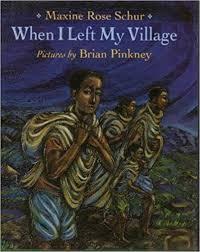
|
Rouss, S., & Naim, A. (2016). Yosef's dream. | 
|
Schrier, J. (1998). On the wings of eagles. | 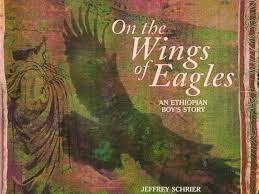
|
Schur, M. R. (1994). Day of delight. | 
|
Simpson, L. (2011). Yuvi's candy tree. | 
|
Sobol, R. (2016). Growing peace. | 
|
Verzov, E., & Oirechman, C. (2018). Yossi of Nigeria. | 
|